Old money outfits are not about spending a fortune on designer pieces. They are about understanding what makes an outfit feel refined: the right silhouette, the right fabric, the right palette. Whether you are building a wardrobe from scratch or refining what you already own, this guide walks you through everything you need to know about dressing in the old money aesthetic — with specific outfit ideas, styling tips, and advice on how to make it work in real life.
What Is Old Money Style, and Why Does It Resonate in 2026?
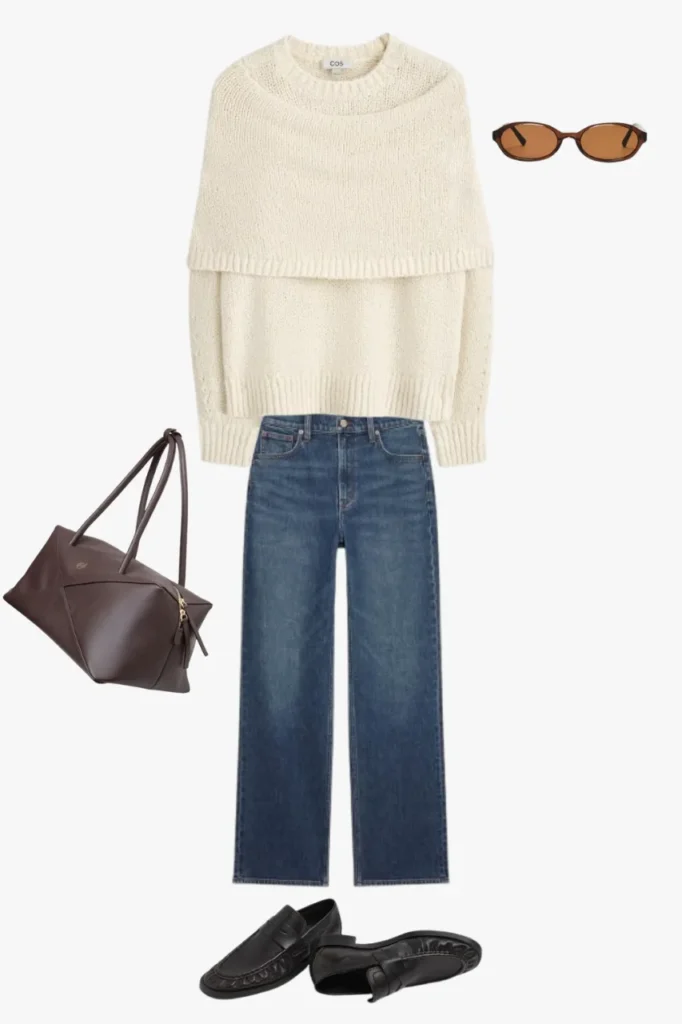
Old money style is rooted in the idea of inherited wealth and understated taste. Historically, families with generational wealth did not need to advertise their status — their clothing spoke through quality, cut, and timelessness rather than trend-chasing or conspicuous branding. Today, this aesthetic has been reclaimed and reinterpreted by fashion lovers who value simplicity, elegance, and longevity over fast fashion and fleeting trends.
In 2026, old money style resonates for a clear reason: people are tired of the noise. Social media has created an overwhelming cycle of micro-trends that come and go within weeks. Old money fashion offers an antidote — a wardrobe philosophy built on pieces that feel just as relevant today as they will in five years. It is not minimalism for the sake of minimalism; it is intentionality. Every piece has a purpose, and every outfit feels complete without excess.
The core elements of old money dressing include a neutral color palette anchored by beige, white, navy, black, and camel; tailored silhouettes that respect the body without being restrictive; high-quality natural fabrics such as wool, silk, cashmere, cotton, and linen; minimal or absent branding; and accessories that are classic rather than statement-making. Together, these elements create outfits that feel genuinely expensive, even when they are not.
The 10 Essential Old Money Outfits for 2026
1. Tailored Blazer with Straight-Leg Trousers
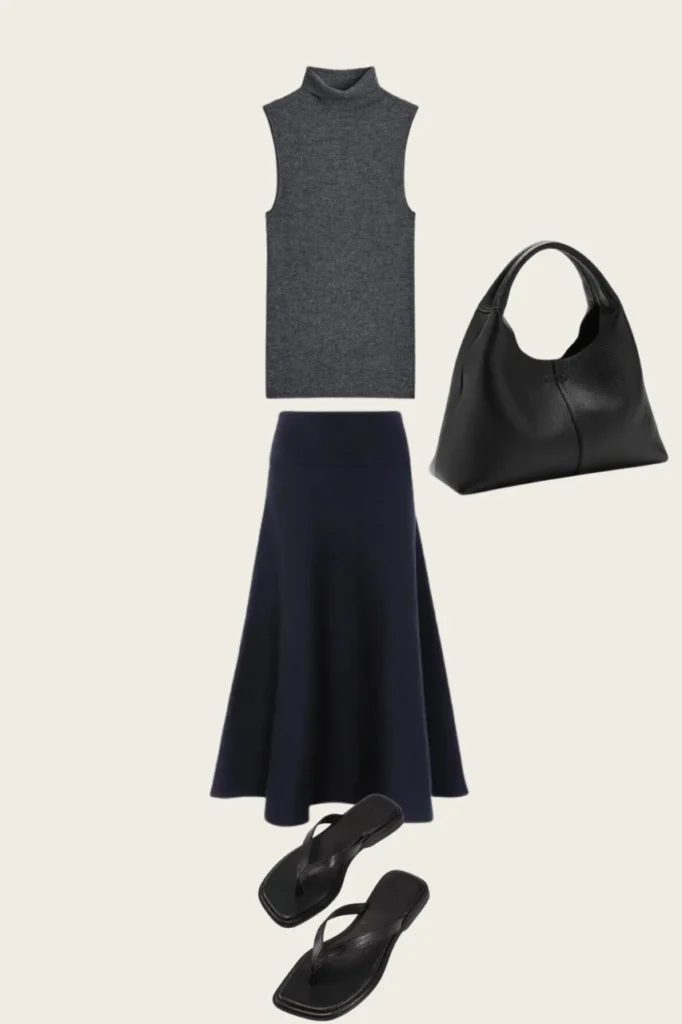
If there is one outfit that defines old money style, it is the blazer-and-trousers combination. A structured blazer in beige, navy, or black paired with tailored straight-leg trousers creates an immediately polished look that works for nearly every occasion. The key is fit — the blazer should sit cleanly on the shoulders, and the trousers should skim the leg without clinging. Finish with loafers or minimal sneakers, and add a simple silk blouse or fitted white tee underneath. This outfit says everything without saying too much.
2. White Shirt with Wide-Leg Pants
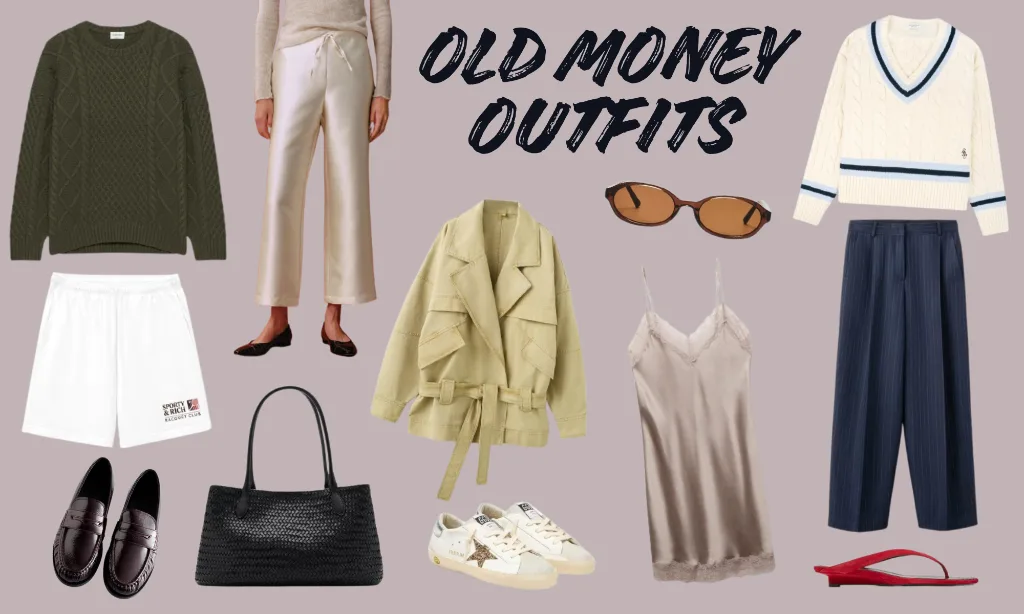
A crisp, well-fitted white shirt is perhaps the single most powerful piece in any old money wardrobe. When paired with wide-leg trousers — ideally high-waisted and in a neutral tone — it creates a silhouette that is both relaxed and commanding. Slightly tuck the shirt at the front to add structure and define the waist. A slim leather belt adds a polished finishing touch. Choose footwear that keeps the line clean: loafers, pointed-toe flats, or minimal mules all work beautifully.
3. Knit Sweater with Tailored Shorts
Old money dressing does not disappear in warm weather — it simply adapts. A lightweight knit sweater in a soft neutral paired with structured tailored shorts strikes the perfect balance between casual and refined. Avoid anything too oversized or too tight; the goal is a relaxed but intentional silhouette. Ballet flats or loafers bring the look together, while a simple leather tote completes the outfit with quiet practicality.
4. Slip Dress with Minimal Accessories
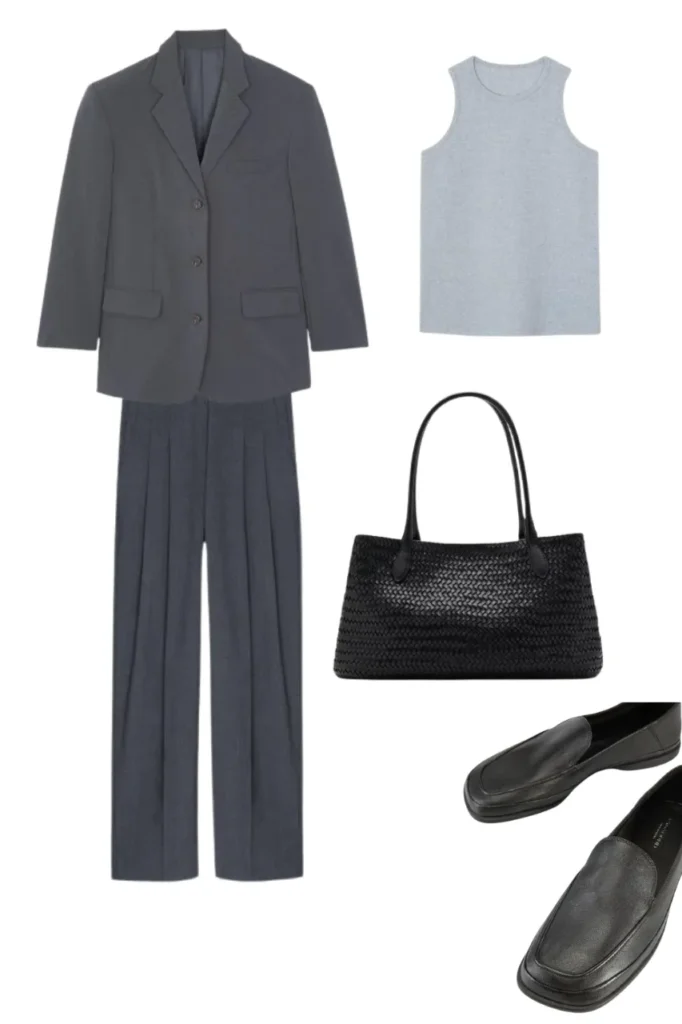
The slip dress is one of the most elegant and effortless pieces in the old money wardrobe. In silk or satin — or a high-quality satin-finish fabric — it creates a look of understated luxury that requires very little to complete. Choose neutral tones: champagne, ivory, soft blush, or chocolate brown all work exceptionally well. Keep jewelry minimal — a delicate gold chain or small pearl earrings — and choose a structured bag over anything trendy. For a more relaxed interpretation, clean white sneakers work surprisingly well and feel modern without disrupting the elegance.
5. Cashmere Sweater with Straight-Leg Jeans
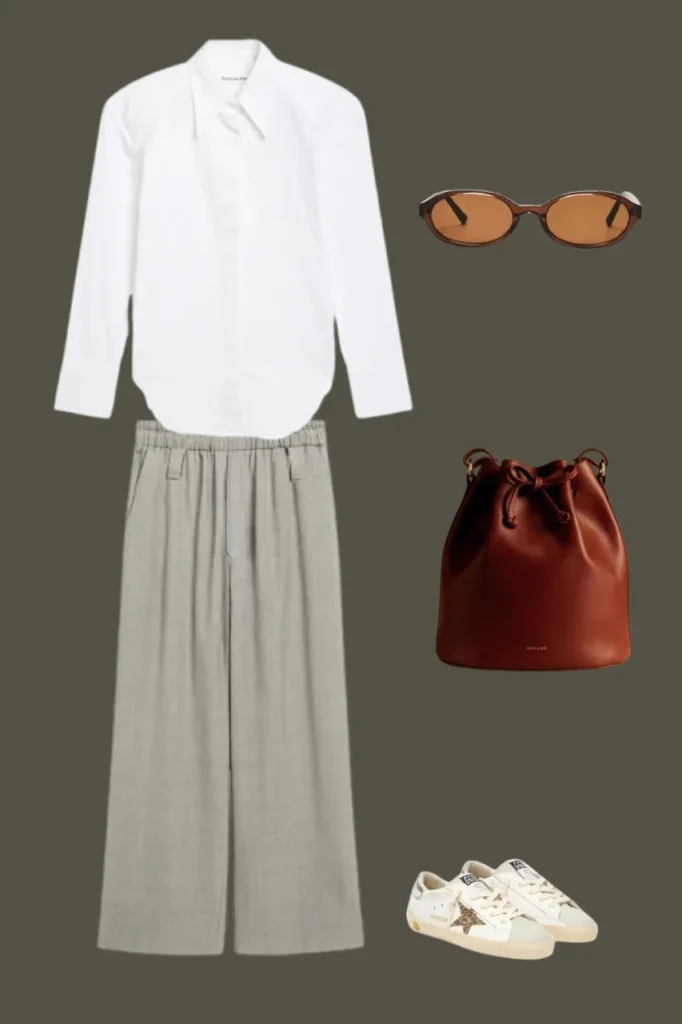
Old money style is not limited to formal tailoring. Elevated basics play an equally important role, and nothing communicates quiet luxury quite like a well-cut cashmere sweater. Pair it with straight-leg jeans — classic, dark, and free of heavy distressing — and you have an outfit that feels polished enough for a lunch out but relaxed enough for everyday wear. Add simple leather accessories: a belt, a bag, a pair of loafers. The softness of the cashmere against the structure of the denim creates a natural, effortless contrast.
6. Trench Coat with Minimal Layers
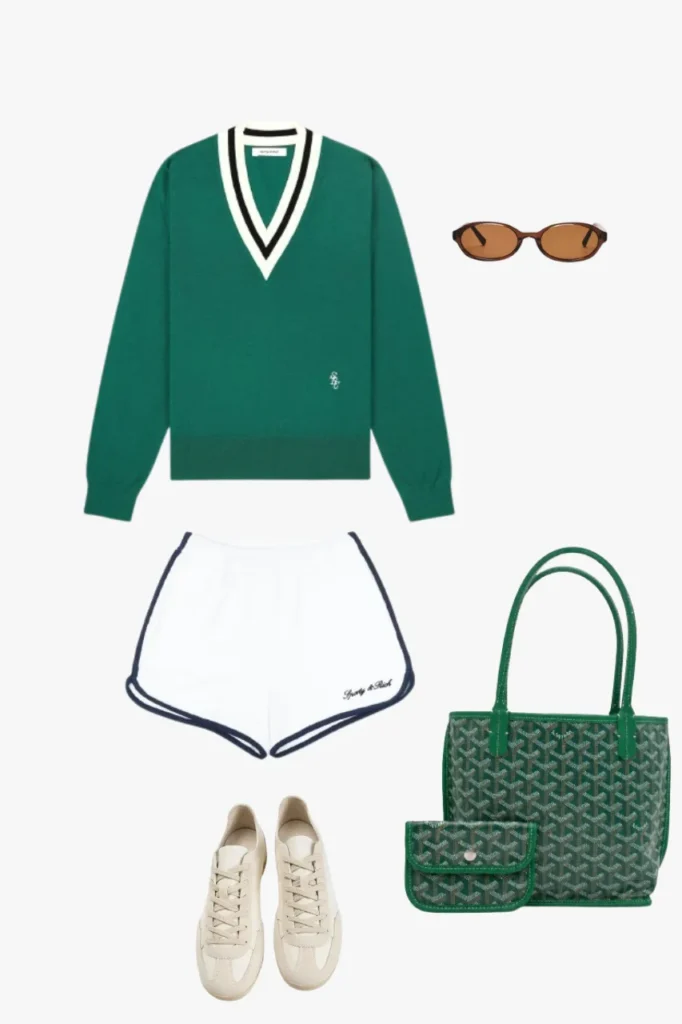
A trench coat is arguably the most iconic outerwear piece associated with old money style. Timeless since its introduction over a century ago, the trench continues to be the defining layering piece for women who dress with intention. Stick to beige or camel — the classic colorways — and layer over simple basics: a white tee, slim trousers, or a midi dress beneath. The coat does the work; everything else should step back. Belt it at the waist for structure, or leave it loose for a more relaxed, editorial feel.
7. Monochrome Neutral Outfit
One of the most powerful and underrated styling techniques in old money dressing is the monochrome look. Dressing in one color family — all beige, all white, or soft grey tones — creates an effortlessly expensive appearance because the simplicity itself feels intentional. The trick to preventing the look from falling flat is to vary the textures. A creamy wool coat over a silk blouse and linen trousers, all in the same tonal family, creates depth and visual interest without any contrast needed.
8. Midi Skirt with a Fitted Top
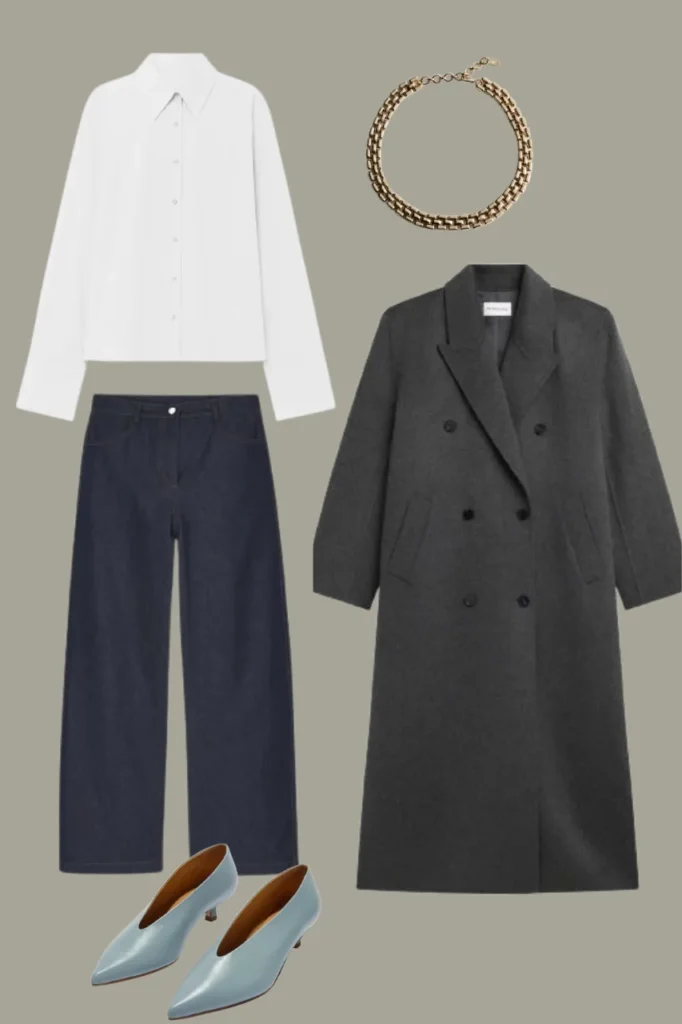
The midi skirt is a quintessential old money piece. Its length is neither too casual nor too formal, making it versatile across seasons and occasions. Pair it with a fitted knit top or a simple tucked blouse, and choose classic fabrics — silk, cotton, or a fluid crepe. Keep the silhouette balanced: if the skirt is full, keep the top slim. Add loafers for a daytime look or simple block-heeled shoes for evening. Avoid overly trendy cuts or prints — the goal is a silhouette that will look just as good in three years as it does today.
9. Linen Set for Summer
When temperatures rise, linen becomes the fabric of choice for old money dressing. A matching linen set — whether a shirt-and-trouser combination or a blouse with wide-leg shorts — keeps the look cohesive and intentional without any effort. Choose neutral tones, allow the fit to be slightly relaxed for comfort and elegance, and finish with leather sandals or simple espadrilles. A straw tote or minimal leather bag completes the look without overpowering it.
10. Structured Coat with Classic Basics
In colder months, the structured coat becomes the centerpiece of every old money outfit. A well-cut coat in wool or a cashmere blend elevates even the simplest basics beneath it. Straight-leg trousers, a ribbed turtleneck, and clean leather boots form the ideal foundation — then the coat brings everything together. Choose clean, classic silhouettes over anything too fashion-forward, and stick to the core old money palette: camel, black, navy, or charcoal grey.
How to Build an Old Money Wardrobe That Lasts
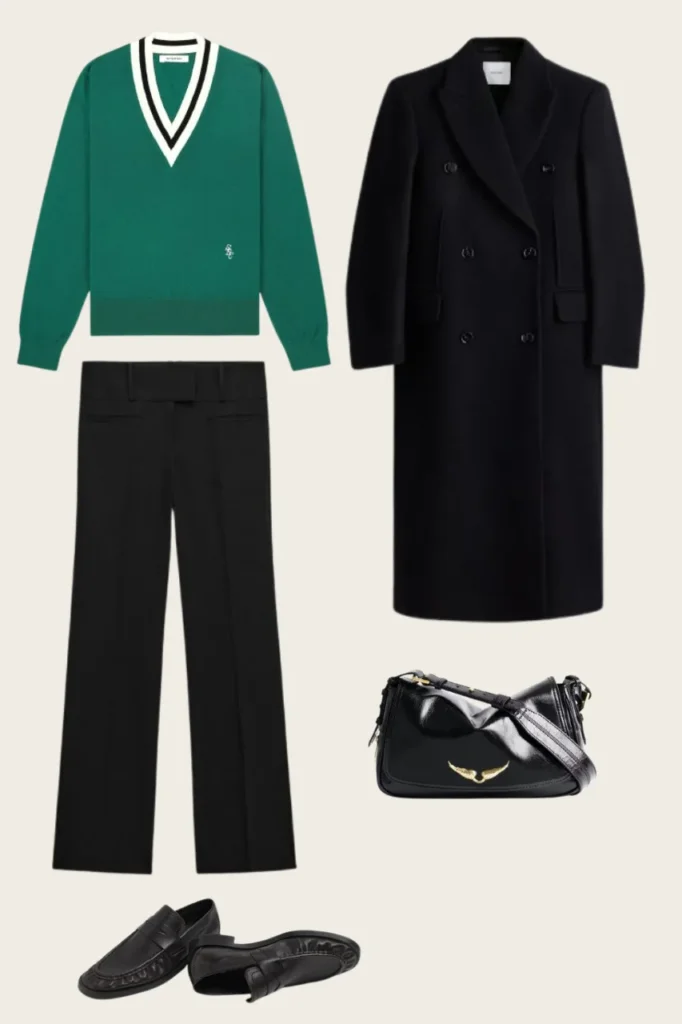
The old money approach to building a wardrobe is straightforward: invest in fewer, better pieces rather than many average ones. Start with the essentials — a well-cut blazer, a white shirt, tailored trousers, a cashmere sweater, a trench coat, classic denim, and a pair of quality leather shoes. These form the backbone of the wardrobe and can be mixed and matched endlessly.
When shopping, prioritize fit above everything else. An inexpensive piece that fits perfectly will always look better than an expensive one that does not. Choose natural fabrics wherever possible — they wear better, age better, and feel better. And resist the urge to over-accessorize. Old money style derives its power from restraint. A single well-chosen accessory is always more elegant than many.
Final Thoughts
Old money style in 2026 is not a costume or a trend — it is a philosophy. It asks you to slow down, to choose carefully, and to value quality over quantity and elegance over attention. The outfits described in this guide are not complicated, and that is precisely the point. When your wardrobe is built on timeless foundations, getting dressed becomes effortless, and the result is a consistent, refined elegance that no trend cycle can disrupt.
Whether you are starting with one blazer or rebuilding your entire wardrobe, the old money aesthetic offers a clear and deeply satisfying direction: dress with intention, dress with confidence, and dress to last.